to be of use

This morning’s devotional reading called to mind a poem by Marge Piercy:

To be of use

The people I love the best
jump into work head first
without dallying in the shallows
and swim off with sure strokes almost out of sight.
They seem to become natives of that element,
the black sleek heads of seals
bouncing like half-submerged balls.

I love people who harness themselves, an ox to a heavy cart,
who pull like water buffalo, with massive patience,
who strain in the mud and the muck to move things forward,
who do what has to be done, again and again.

I want to be with people who submerge
in the task, who go into the fields to harvest
and work in a row and pass the bags along,
who are not parlor generals and field deserters
but move in a common rhythm
when the food must come in or the fire be put out.

The work of the world is common as mud.
Botched, it smears the hands, crumbles to dust.
But the thing worth doing well done
has a shape that satisfies, clean and evident.
Greek amphoras for wine or oil,
Hopi vases that held corn, are put in museums
but you know they were made to be used.
The pitcher cries for water to carry
and a person for work that is real.

I talked to my grandma the other day, who told me that my aunt Susan had sent her a new/old quilt for her bed. “I sort of thought it was too nice to use, you know, but Susan convinced me to put it on the bed and use it, so I did.” Her nursing home has been in some version of lock-down for almost a year, now, and she lamented the fact that no one other than the nurses and aides who come by her room would get the chance to see her new/old beautiful quilt. I told her that I’d be sure to take a photo and upload it to her Instagram page whenever I am allowed back in to see her.

I have several beautiful quilts – made by my grandmothers, great-grandmothers and church-lady quilting groups. I LOVE them. In a “grab what you can because the building is on fire” scenario, I pick up my dog, my laptop, a few important papers and probably one of those quilts – for practical as well as sentimental reasons.
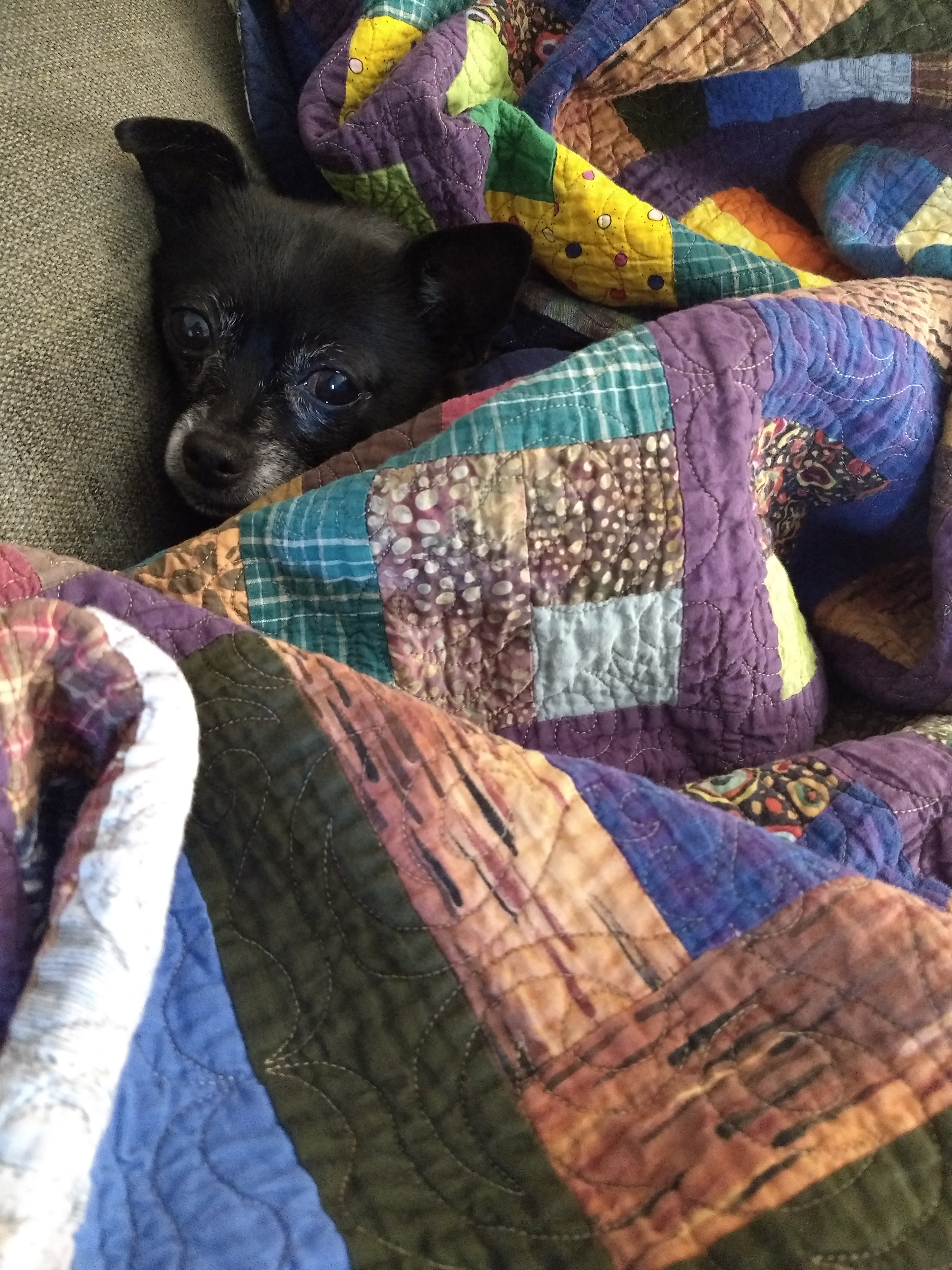
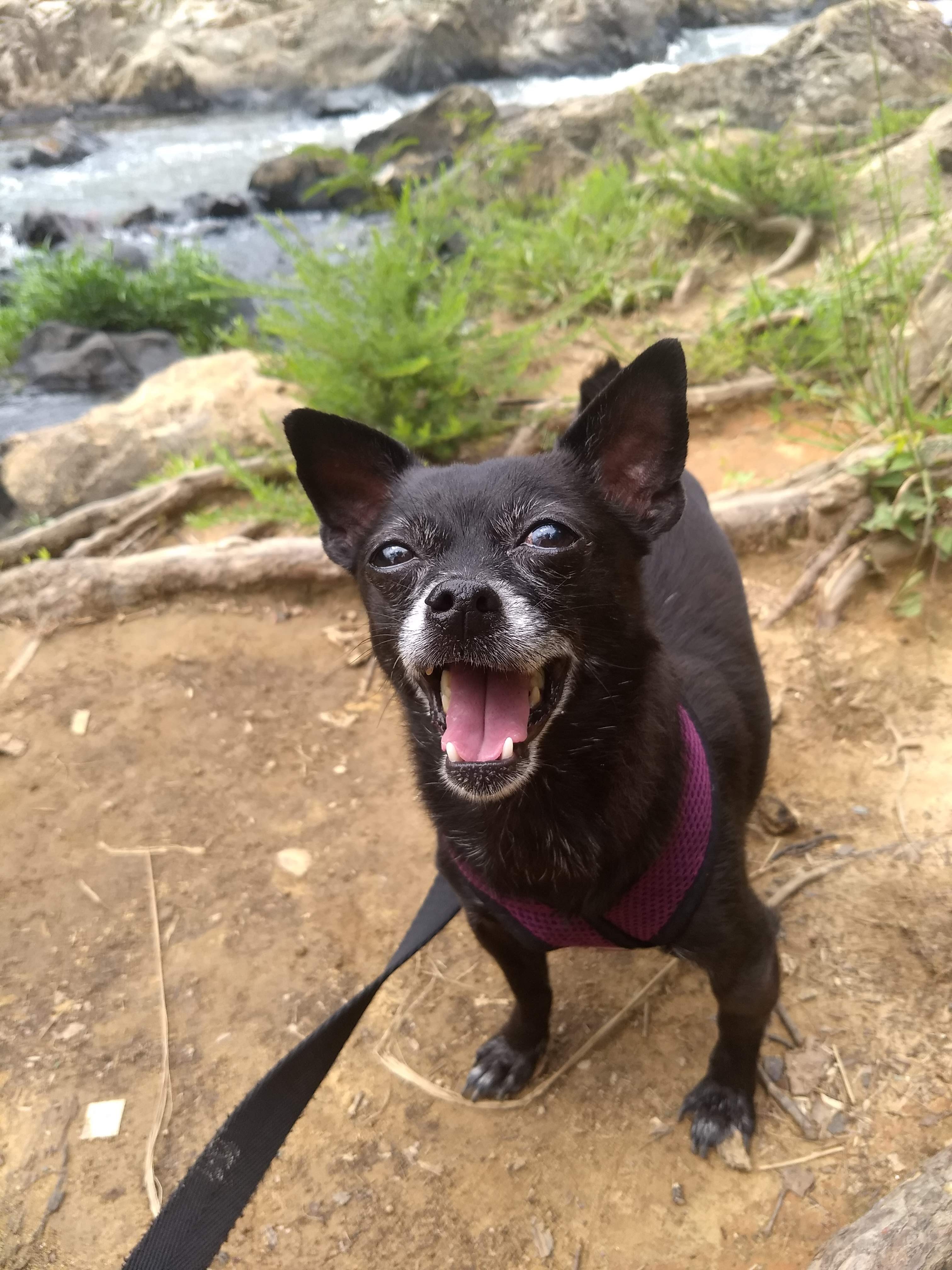
the dog is a fan of the quilts, too

These quilts weren’t made to hang on walls; they were made for a purpose. When I was little, I sat under a few quilting frames in the First Church of the Brethren basement while my grandma and her church lady friends stitched and chatted above me, and I know that those ladies weren’t imagining the fruit of their labor ON DISPLAY. They were working together at a task, creating something beautiful with a purpose. They set to work, together, on something that would go to work for someone else.

Over the last months, when in-person visits and funeral services have been hard to carry out, I have found myself resorting to food delivery as pastoral care. I made soup. I shared jam. I showed up on porches with beef stew and homemade bread. I wasn’t doing any of that to impress people with my culinary skill; it was a way to share care and warmth in physical form, a way to show up when showing up is complicated and difficult.

We need to be of use. It’s how God created us. We are not creatures who thrive in isolation; we are human beings created from the very beginning to long for interdependence and mutuality. If you listen closely, you can probably hear your own soul crying out in these times when interdependence is cursed and mutuality is cast aside. It’s why I share stew, and it’s why I rant about how we are ignoring the ways we harm each other with our ignorantly selfish actions. My soul is longing for a community and a context where I can hitch myself to the rest of the team and pull together in the same direction. I want to be of use.

My tiny congregation is a place like that, and I am deeply, humbly, bowed-down grateful for that reality. I know that when I show up with soup, someone else is coming right behind me with cookies. I know that when I suggest a book study, someone else will follow up with an embodied plan to put what we’re learning into action. I know that when I grow weary, someone else is right behind me to pick up the slack. It is a gift and a grace.

There are other contexts where I am less certain of my usefulness, less convinced that the gathered crowd is all looking in the same direction, much less straining in the mud and muck toward the same destination. No matter how much energy and effort I sink into these pursuits, the isolation of patiently pulling on my own – or as one of a few partners situated far apart among the many – is deadly.

“I want to be with people who submerge in the task,” Piercy writes, “who are not parlor generals and field deserters but move in a common rhythm.”

May I, may you, may all of us together find places to be of use, to move in a common rhythm to do what needs to be done.

to be in my body

I’ve done yoga every day this month. Twenty-three mornings in a a row. I finish my coffee, pull up Yoga with Adriene on the laptop, and plop down on my living room floor. I don’t have a yoga mat, because the only places in my tiny apartment without carpet are the tiny kitchen and the tiny bathroom. I don’t own yoga blocks or yoga blankets or yoga pants. I’m not a pro, or even well-versed. I have no idea what the Sanskrit words mean, and I regularly wonder if this white-lady-led YouTube channel is endorsing cultural appropriation.

But for twenty-three days in a row, I have sunk out of my head and into my body and it feels luxurious. Adriene uses words like “yummy” and “nourishing” and despite my resistance, I find myself thinking of yoga in those ways. “Oh, I get to forget about my hamster wheel monkey mind for this half hour and experience my body and breath, instead.” I look forward to those moments of moving and breathing and stretching.

I’ve known for a long time that I live too much in my head and not enough in my body, but recent years learning about what it means to be an Enneagram 5 and the ways that my own internalized white supremacy fences me off from bodily intelligence have underscored the power and necessity of being in my body.

Benji the dog and Adriene’s plant game are huge perks of the practice.

It’s weird to think about, and weird to write about because, well, that’s the point: to receive knowledge and wisdom that resists articulation and intellectual codification. I have trouble explaining what’s happening on the mat and for a long time, that bothered me. But this go-round, this month of daily sinking into the criks in my neck and the tightness in my hip, this process of recognizing which vertebrae tend to collapse and how my left ankle is tighter than my right one, this regular invitation to just BE IN MY BODY without explaining or critiquing or analyzing it…it has been a gift.

The other day’s practice was a breath meditation, a “pranayama potion.” Adriene led us through breathing exercises, controlling our inhale and our exhale, moving deeper and deeper into carefully modulated cycles. It was HARD. My breath has not been trained in those ways. The twenty minutes of breathing took every ounce of focus and concentration I could muster. And at the end, when she instructed us to “bat the eyelashes open” and return to a normal cycle of breath, I emerged from the meditation in a state of awe. “WHAT THE HELL JUST HAPPENED TO ME?” I said, out loud. Franny didn’t even stir from her morning nap.

Sometimes (when the world allows), I lead sessions on Spiritual Practices with BVS volunteers. We go outside and pay attention to light and sound and texture and perspective. We try out the Jesuit Examen and Lectio Divina. These are all spiritual practices, I tell them, and they are all universally available. Wherever you are, whatever your mood, however many stressors or traumas are unfolding around you, you always have access to these small, powerful practices. Notice the light. Touch some tree bark. Walk through each moment of the day thus far. Listen for a word or phrase that strikes you differently than all the rest. Take a deep breath.

Doing yoga this month reminds me that the most powerful spiritual practices are free and universally available. We don’t need subscription services or fancy outfits to tune in to our breath and our bodies. We don’t need tropical meditation retreats or specially crafted worship services to reconnect with the One who created and sustains us. Having a companion is often a good idea – whether it’s the yoga instructor on the screen, the pastor leading the prayer, or a friend by your side. But the world is constantly available to us. Our attention is ours to spend as we choose: binging Bridgerton or lying still in savasana, listening to our deepening breath and giving thanks for these bodies, fearfully and wonderfully made.

another rant

Here’s something from this last year that I don’t quite understand, yet: why haven’t we heard *any* large-scale, mass encouragement around mutual survival behaviors?

I’m thinking about all those wartime home-front posters from mid-century encouraging people to plant victory gardens, save fuel, hang tough to get through together. Are we so far gone that we can’t even manage to articulate the impact of our collective behavior?

It has been hard for me to quiet the JUDGY part of my responses over these few months: I am super annoyed at people who refuse to wear masks, infuriated at churches who’ve chosen in-person, indoor gatherings over the well-being of their communities, totally incensed and weirded out when I hear that people I know, love, and assumed to be on the same wavelength with are doing things like eating out in restaurants and flying in airplanes…for fun.

Turns out, there has been some great art of mutual encouragement – like this Wisconsin project.

On the one hand: it’s not fair to judge individual behavior without giving equal credence to the abject and total failure of the systemic contexts around us: yes, college students at UNC are doing completely irresponsible things over there in Chapel Hill, but they’re only able to make those choices because the university’s administration decided to bring tens of thousands of young people with not-yet-fully-formed-frontal-cortexes onto campus and stuff them in dorms together while also outlawing most of the things that college students do to let off steam. People are choosing to eat in restaurants because our government has chosen, in a dozen different ways, to sacrifice lives for the sake of profit. I understand that individual behavior always happens against a backdrop of institutional and systemic realities. It’s not helpful to scream and shame people for acting in their own self-interest in the face of a government who clearly does not value life.

And also, these decisions that people around me are making also seem to make very, very clear that we – as a society – don’t understand ourselves as part of mutual, interlocking relationships. What I do affects you, and what you do affects me. Choosing to dine inside a restaurant is, in my understanding, an irresponsible choice, not because it puts you and your dining companions at risk, but because it forces the underpaid and already struggling wait and kitchen staff of that establishment to be exposed to FAR more people than a strict take-out operation would. Flying in an airplane is a choice that forces dozens and dozens of other people – airport employees, TSA agents, flight attendants, mechanics, pilots, taxi drivers, Starbucks employees – to endure exponential exposure, day in and day out.

The people who are dying – still 2,000 each day here in the US – are not rich, well-off people with the options to spend discretionary income in ways that endanger other, less-fortunate people. The ones who are dying are people who are forced to work in dangerous situations in order to survive. It seems to me that my own individual decisions should not be about what risk I personally am comfortable taking on – though that is part of the calculus, for sure – but more importantly, an honest understanding of how many other people I am forcing to risk their own health and well-being by choosing this option.

I don’t want to be here, mired in angry judgement forever. And I also want someone to make this clear: we are bound to each other and your behavior – especially right now, in this global pandemic that’s been mismanaged by federal, state and local authorities time and time again – has an immediate and potentially deadly impact on everyone around you. It would behoove us to consider whose lives we’re choosing to put in danger when we make these choices.

the birds on my block

I’ve become an amateur, backyard birdwatcher during the pandemic. Last spring, I bought a tiny field guide and spent a lot of time on my porch, staring at the branches of the crab-apple tree that covers my front windows. I learned that I have a ton of Carolina Wren neighbors (who liked to sneak onto the porch itself until Franny terrified them away from our eaves). There’s a pair of chickadees, too, who always give me a thrill when they show up, and the cardinals love to chase each other. The woodpecker that hangs out on my block is such a ringer for his animated cousin, Woody, that I laugh every time I hear him and glance up to see a cartoon playing out in the tree above.

Then there is the neighborhood red-tailed hawk, who we like, and the resident wake of turkey vultures, who we do not. (Did you know that a group of vultures is called a “wake”? Well, that’s true only when they’re all perched in a group up in the trees or, here in my neighborhood, on the giant transmission towers that ferry the power lines cross the walking trails. It’s because they’re all sitting around, heads hanging as if they were in mourning, apparently.) I know all the reasons to appreciate vultures – they’re better than rats, they efficiently dispose of roadkill, etc., etc., etc.- but I still hate them.

It’s been a long winter. Here in North Carolina, the birds never really leave entirely, but over the last couple of weeks I have still been able to sense the presence of their return. I hear the wrens outside my window before my morning alarm. The bluebirds and cardinals were going crazy in the woods, feasting on worms, I suppose, after the week of rain.

And on a long walk yesterday, I saw a bird that I didn’t recognize. I’m still a bird-watching newbie, so that really doesn’t mean much in the grand scope of things, but it still made me excited. That bird is YELLOW! My brain flipped through its tiny repertoire of known birds: not a wren, not a chickadee, not a cardinal, not a finch, DEFINITELY not a woodpecker. I filed the shape and shade of the tiny little thing away, kept going on my walk, and by the time I got home, I’d forgotten about it.

But this morning, I heard the birds singing me a good morning song, again. I took the dog out and noticed them already up and at ’em, fully engrossed in their day’s packed schedule of singing, swooping, snacking and, you know, busily being BIRDS.

I came inside and picked up the field guide. Small bird, shades of yellow, here in North Carolina.

A PINE WARBLER! It lives in the tops of pine trees, eating bugs, caterpillars and spiders from the bark. Very vocal.

I’m reading The Wild Way of Jesus in morning prayer during this season, and all this talk about neighborhood birds is reminding me of an interview with the author, Anna Lisa Gross, on the Dunker Punks Podcast that I had the pleasure of hosting. Anna Lisa said, in that interview, that we need wilderness – maybe now more than ever. But she also assures us that we don’t have to go to the ends of the earth to immerse ourselves in wilderness: “It’s not practical and it’s not necessary to go out beyond places where there are roads or where there is wifi just to get into the wilderness. I think we can do that in our own lives.”

She invites us to “tune into what is living in our own neighborhoods. What’s alive in an empty lot or in that strip between the sidewalk and the street, or what is growing up through cracks in the pavement?” Anna Lisa picks up trash in her neighborhood as a spiritual practice, which she sees as “pledging allegiance in a small, prayerful way to the myriad living creatures in my city, on my block.” “I don’t even understand more than the tip of the iceberg of who is living on my street,” she says, noting that humans and squirrels and semi-stray cats take up a lot of space but are only the very beginning of the incredible diversity of LIFE and creation on any given block.

So, I’m paying more attention to the birds on my block. I was doing it before Lent began, but I appreciate Anna Lisa’s invitation to see this practice as a way to enter into the wilderness, even if the wilderness, for me, looks like a very infrastructure-rich suburban neighborhood trail that skirts power lines and busy streets.

The birds *fascinate* me. They live entire lives right in front of my nose, and I barely notice. We’re neighbors; the least I can do is learn their names.

Look at the birds of the air; they neither sow nor reap nor gather into barns, and yet your heavenly Father feeds them. Are you not of more value than they? And can any of you by worrying add a single hour to your span of life?

slogging through

Pandemic fatigue: I’m in it. I was doing so well, I thought, and for so long. I cooked, I read, I walked, I hiked, I got outside. I kept up with regular Zoom calls with friends and prayer meetings with church people and generally appreciated the safety of my own little routines. I clean on Fridays. I get takeout for lunch on Tuesdays. Worship, staff meeting, fellowship time, book studies, monthly gatherings with colleagues and community kept the calendar moving.

I knew that January and February would be hard and I tried to brace myself. I walked 100 miles in January and shifted to a goal of yoga every day in February. That turned out to be a good decision, since it has rained nearly every day this month. Cold, dreary, nasty rain, too. More people died, more people got sick, more events got cancelled and my routines are wearing thin. I’m tired of having to feed myself every day – to make all the small decisions that lead to sating my own hunger: what to cook, how to do it, when to go to the grocery store, which store to go to, whether or not to finish the leftovers that are SO FREAKING boring or get takeout…again, the weight of knowing that no matter which decisions I make in all these tiny ways, I will still be eating the meal alone in my empty house.

I’m annoyed with my schedule, annoyed with my co-workers, even – for the first time in our five year relationship – annoyed with my DOG. I am short-tempered and exhausted. I resent my to-do list, even when it is filled with things I LOVE to do.

I mean, who gets ANNOYED at that face?!

I am not depressed (don’t worry, my therapist agrees). I am not hopeless. I understand that the vaccination campaign and the new administration and the impending spring weather and the lessons learned over the last year all have immense potential to usher us into a new kind of wholeness, TOGETHER (thank God).

But I am TIRED. And so very angry. I dreamed last night that I was in Florida, soaking up the sun’s warmth. I want the sun to return, and the virus to disappear. I want to be somewhere other than my living room. I want to go eat breakfast in a diner, a southern waitress re-filling my coffee mug and calling me “hon,” surrounded by the sounds of silverware clinking & conversations rising and falling.

There’s no reason to be writing this, other than my lenten commitment and straight honesty. The sun will return, we’re on the way to defeating the virus. I think my favorite diner will survive and I hope to go eat scrambled eggs and bacon sometime this summer.

But there are still weeks, maybe months, to slog through. I’m committing myself, again, to the things that have carried me this far: prayer, hiking, connection, sharing stupid memes, Tuesday takeout, Sunday worship, and cleaning the house on Fridays. What’s your slogging-through plan?

the art of dying

As we emerged from the last few months of 2020, my congregation felt a pressing need to start the new year thinking about death and dying. It sounds sort of awful, doesn’t it? That we would emerge from a year so full of grief and pain and decide “hey, you know what we need? MORE of this kind of reflection!” I expect that most of us were just trying to limp toward January first, praying for something better, using every possible distraction to avoid the pain and grief of the last months.

But not my tiny, intense congregation. Nope, they walked together through the death of beloved parents and siblings and friends, watched the world miss funerals in order to keep everyone else alive, felt around the edges of their own grief and pain and said: “we need to talk about this.”

Have I mentioned, lately, how much I love my congregation?

They asked me for resources on advance directives and living wills. They watched loved ones make impossible decisions as the people they loved died, and wanted to know how to avoid putting their own partners and children in the same situation. Death has been hovering around us, all year, and my people wanted to confront it.

So, we planned a winter series called “The Art of Dying.” Our resident hospice chaplain helped shape the sessions. A long-time family friend from Roanoke who spent her life founding & starting one of the Valley’s first hospice efforts joined in a Zoom call and walked us through documentation, important things to talk about with loved ones, and wisdom won from decades of being face to face with death.

A full-time hospice chaplain in our congregation led an intense and lament-filled hour talking about what life has been like for folks working and living in nursing homes this last year, especially those places that have been sites of COVID outbreaks. The way he expressed the grief of so many of us being forced to die alone hit us deep down in our bones.

And then, last week, a PhD student in our congregation led us in a conversation as part of her research around VSED: Voluntarily Stopping Eating and Drinking, which is an end-of-life possibility for those who are facing terminal diagnoses without hope of cure or significant easing of suffering. How did we react to this possibility, she asked us. Why did we think what we did? What would we do if a beloved member of our congregation asked us to accompany them in this kind of journey?

In the midst of this series, one of our congregation’s strong leaders, one of the folks who had been most insistent about confronting death and making her own plans, someone who had spent 2020 doing a lot of her own grieving, someone who I loved very deeply and who I know loved me, too…died.

She wasn’t sick for long, and she did not suffer much. Her death was quick. She didn’t have time to fill out the forms we distributed about advance directives. In the end, she didn’t need them. She didn’t get her funeral wishes on paper, but she did start talking to her husband and to us. We knew, because she told us, that she was not afraid of dying. We knew, because she told us, that she understood death as an indescribably beautiful reunion with the God who had saved her again and again over the course of her life.

We miss her.

(Melissa’s in the middle)

Yesterday, on the first day of Lent, I drove up the driveway of the Methodist church down the road, rolled down my window and closed my eyes as my Lutheran friend imposed ashes on my forehead. “Dana, remember that you are dust, and to dust you will return,” she said.

Christians have this strange ritual of imposing ashes on our foreheads and being reminded of our mortality in part because we are so prone to forgetting about it. We do not like being faced with the truth that we are created and contingent creatures whose lives here on earth had a distinct beginning and will endure a distinct ending. It’s the age-old psychological ballyhoo: humans aren’t great at contemplating the finiteness of our existence.

My own Christian tradition doesn’t really do ashes on foreheads – we’re too low-church and plain-spoken for such theater – but I love it. It is a physical experience of being marked with death, reminded of death, told by another living, breathing, beloved human that both of us are going to die – someday – and that this, too, will be holy. And I love that. I need it.

Being reminded of our created, contingent, finite existence doesn’t have to come as an imposition of ash on a forehead. It could happen in an Art of Dying series with your congregation, or at a funeral when we’re invited to listen to sacred scripture that reminds us of these very elemental truths about who we are.

What is important, I think, is that we open our ears and our hearts to the truth, and practice getting comfortable with it: every one of us is going to die. Death is not necessarily an affront or an illogical tragedy, though certainly death does sometimes steal people from us who ought not have been taken in the time or in the way they were.

Death is a holy part of being human. God created us as finite beings, beloved creatures whose lives are contingent on forces mostly beyond our control. Remembering that we are dust and to dust we will return is a pathway to humility and conviction. Here we are, together, for just a sliver of time. How will we choose to live while we’ve got the chance?

This passage from Romans 14 has been in the back of my mind all winter, as my congregation dove head first into wrestling with death and dying and have been confronted with death’s holy power even as we did so:

We do not live to ourselves, and we do not die to ourselves. If we live, we live to the Lord, and if we die, we die to the Lord; so then, whether we live or whether we die, we are the Lord’s. For to this end Christ died and lived again, so that he might be Lord of both the dead and the living.

May it be so. Amen.

lent, again

I have long been a lover of Lent. I didn’t grow up with the practice because simple-living and low-church Brethren haven’t been very keen on marking *some* periods of time as more sacred or special than all the others, since *all* of life is sacred. But I still love Lent. I generally lean toward the quiet & contemplative, anyway, and so a season that invites all of us, together, to be still and intentional about our spiritual lives feels like sinking into familiar territory.

Except, the past year has been familiar territory. In a meeting last week, we were asked to name our “pandemic superpower” and I said that mine was probably my independence & appreciation of solitude. I like being alone; prefer it, in fact, seven times out of ten. The forced solitude hasn’t felt like a huge burden these last twelve months because I know how to be alone.

But being alone is different than being lonely, and the pandemic frayed the rope of carefully crafted connections that had kept me tethered to others. I couldn’t have Sunday dinners with my friend across town anymore, my book club wasn’t eating churros together at the local coffee shop each month, no travel for those bursts of intense, joyful connection with long-distance friends. I couldn’t even enjoy a Sunday morning in the building with my congregation – an exhausting but satisfying block of intense connection.

I am less excited for Lent this year, because the last twelve months have felt like one, long, imposed block of ascetic loneliness. A colleague confessed that being alone with God so much has amplified the voice of the Divine for them, but that has not been true for me. As someone who spends a ton of time in her own head, I need other people to help me hear God clearly. So much has been taken away from us without our consent and without our choice this year. Some of that was probably dross and detritus, heavy baggage that we needed to let go of, anyway. And some of it has been very, very painful to lose.

A chunk of the pain settled in my spirit this week, and I found myself aflame with anger at the absurdity of it all. We are living in an absurd time. Trying to lead people in worship when there is no one else in the room with me is ABSURD. An entire state opting out of a shared power grid and shutting down their plants in order to save money while people die: ABSURD. The fact that the life-saving COVID-19 vaccines are patented property, meaning that only certain companies can produce and sell them meaning that more people are dying: ABSURD. Whiteness protecting itself even unto death – in Congress and the church – is ABSURD. My health insurance company requiring me to take my own blood and send it off through the USPS in order to avoid a $200/month surcharge is ABSURD. Christians in the United States arguing about whether or not women can lead (hi, hello), whether or not LGBTQ people are fully human (come ON) , and whether or not we’re racist (spoiler alert, we ARE) while people are literally dying in the streets from exposure, hunger, poverty & COVID is so far beyond absurd that I cannot bear to say any more about it and keep doing my jobs.

And so, here we are, in Lent, again, in the midst of this life’s absurdities. I’ve got two resources staking up my tired soul in this season. My congregation is partnering with the neighborhood Methodists in a series called “Again & Again,” by folks at A Sanctified Art, and I’m grateful for the partnership, for the poetry & art, and the community that we will form in gathering around scripture together over these weeks.

And I’m also grateful for my friend Anna Lisa’s lenten devotional from Brethren Press, The Wild Way of Jesus. I’m grateful for her words and invitation and also for the knowledge that people I know and love around the country are reading the same text, asking themselves the same questions, and turning their hearts in the same direction day in and day out during this season.

I stink at fasting in general – last night I broke my casual agreement with myself not to do any unnecessary spending in the month of February by giving in to a mystery Grab Bag book deal from an iconic DC bookstore. But I do pretty well at add-on challenges: I walked 100 miles in January and am on track to practice yoga every day this month. And I wrote here, in this space, every day of Advent last year.

So, I’m making another add-on commitment to myself, to God, and to y’all: I’ll write here in this space each day until Easter. Advent unleashed a torrent of anger that had been building up over the last year, and I cannot promise that Lent won’t deliver much of the same. But here we are, together in this absurd time, and we’ve got scripture, Anna Lisa’s words and art from the women at A Sanctified Art to guide us. I may still be stuck here in my house alone for another couple of months, but I know – and perhaps it is helpful for you to hear, too – that we’re not doomed to eternal loneliness. Thanks be to God.

I’ll be here in this space every day. I’d be so happy if you joined me.

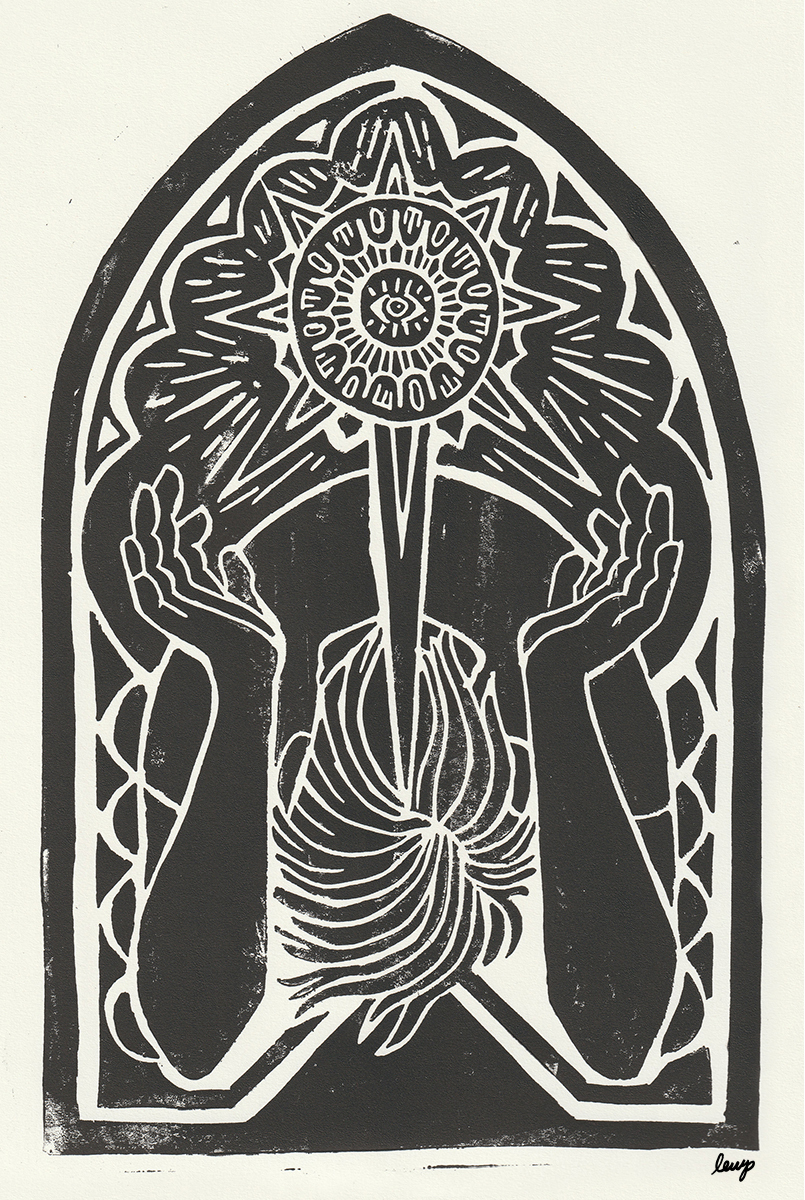
Invited In, by Lauren Wright Pittman

love builds up

Sermon @ Peace Covenant CoB, 1-31-2021

1 Corinthians 8

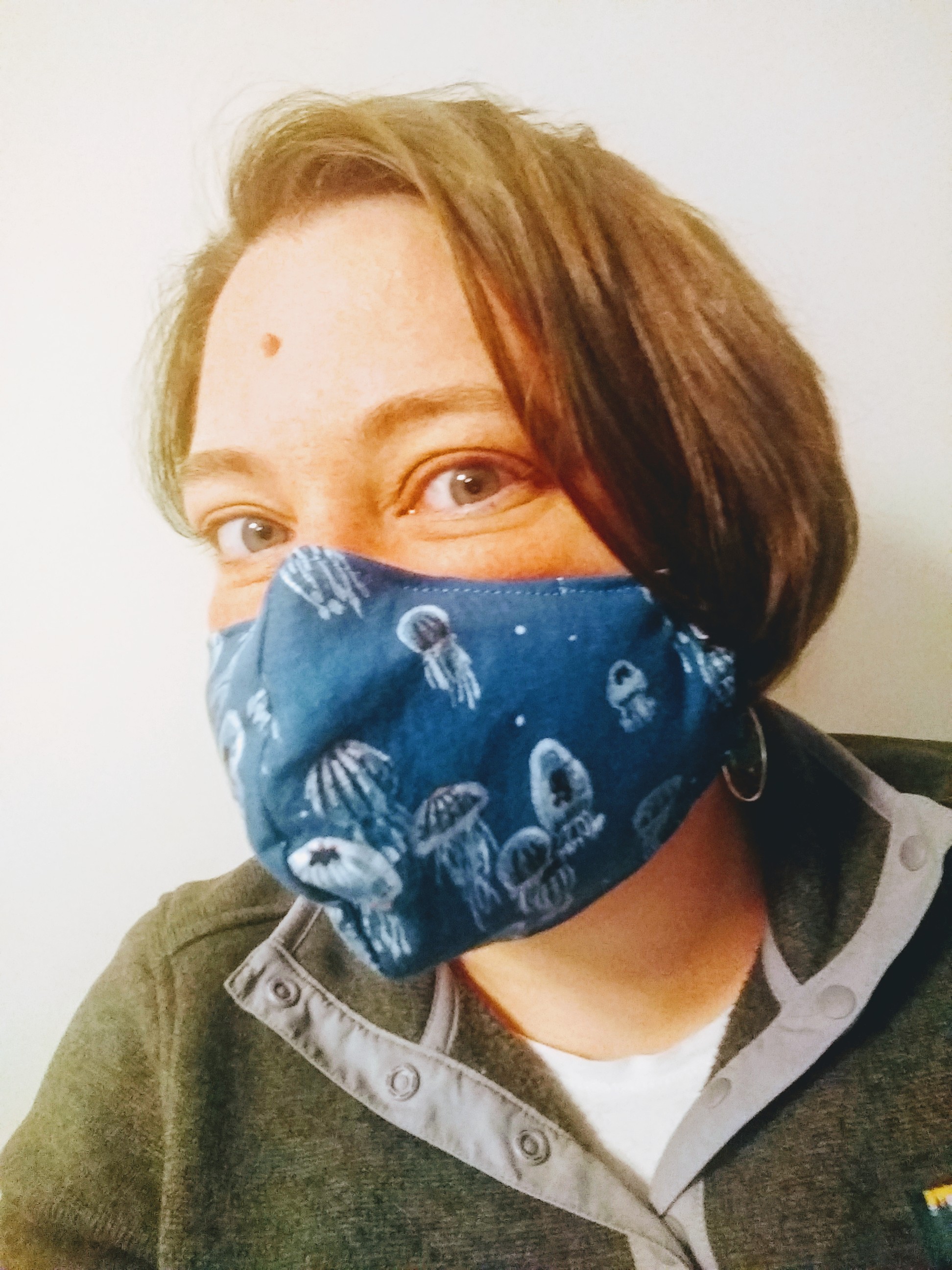
I saw my friends Meredith and Mike at the end of December. They were driving through Roanoke and stopped to visit with me at an outdoor picnic table near my parents’ house. All three of us wore masks, and Meredith even gave me a new, hand-sewn mask – with jellyfish on it! – that perfectly matches my winter coat.

Mike runs a lab in Indianapolis where he studies pulmonary medicine – how our lungs work. Because of his previous work on lung cells, his lab started researching a treatment for COVID-19 way back in the spring. They had live COVID-19 virus SHIPPED to their lab, suited up in space-suit-like PPE and tested a treatment that they’d previously developed for other lung issues to see if it was successful in treating COVID infections.

Since Mike and his team were working directly with the virus, he was top of the list to receive the vaccine when it arrived at his university. By the time I saw him in late December, he’d already received his second dose and was very likely immune to COVID. He still wore a mask.

But the story is even better than that: Mike had participated in a vaccine trial at the hospital attached to his university, early last fall. He had received two doses of – something – either a trial vaccine or a placebo, and learned a few weeks later when the study was unblinded that he had received the actual vaccine in the trial.

All of that means that Mike has been vaccinated against COVID-19 TWICE OVER, that he has known about his own near-certain immunity since the fall. “There is NO WAY,” he said to me, “that I’m getting COVID!”

And still – even double-vaccinated, months-immune – Mike was wearing a mask the entire time we were together.

“Oh yeah,” he said, “of course I wear a mask everywhere I go, and I still suit up in the lab. Can you imagine how hateful it would be, not to? I’m not gonna be a punk!”

The mask isn’t protecting Mike; the double-dose of vaccine is. He knows that he doesn’t NEED the mask – even the science behind whether or not vaccinated people can spread the virus is becoming very clear that the answer is, almost certainly, no – but he knows that wearing the mask is an act of care and love for everyone around him. Even though it isn’t functioning as protective gear, it is functioning as solidarity, mutuality, a sign that we are all still in this together.

Believe it or not, this is exactly what Paul was talking about when he wrote to the congregation in Corinth to address their conflict over eating meat sacrificed to idols.

Wearing masks and eating meat might sound light-years apart, but in our Christian commitment to following Jesus, the decision-making behind them is exactly the same.

In Corinth, followers of Jesus were in the minority but they were a diverse bunch. Some of the folks in the Corinthian church were high society, friends with the movers and shakers, educated and well-off. They were people who hadn’t ever really gotten into the whole “sacrificing animals to pagans” thing – they were people who profited off the practices of the local religion, instead. These folks went to dinner parties where the meat that was served came from local temple sacrifices. The well-to-do folks didn’t really consider those rituals to be sacred, and the meat was perfectly good, so shouldn’t it be eaten?

Other people in the Corinthian church were much less well-off and had joined the church as legit converts: people who had, until recently, been the people sacrificing those animals at those temples. These were folks who never had much meat to eat, and so to surrender an animal to the temple was a serious sacrifice. For them, eating the meat sacrificed to pagan gods was not only offensive, it was also a reminder of the culture and habits that they had so recently decided to leave in order to follow Jesus.

Paul is writing to a diverse congregation, some of whom want to insist that since there’s only one God, that those temples are not homes of real deities and the meat isn’t tainted and can’t hurt them, they should be allowed to exercise their freedom found in Christ and eat it without a second thought. Others in the congregation aren’t so sure that eating meat sacrificed to other gods is safe – it’s not just the meat itself, it’s the connection to other kinds of religious practice and communities that they are still extricating themselves from.

Paul doesn’t side with one group or another. He says to the first folks, who want to stand firm on their intellectual conviction that eating meat sacrificed to idols is just fine: “Yes, of course that’s right. There is only one God, the idols are not real, and so the meat that was sacrificed to them isn’t cursed or spoiled. Of course there’s nothing wrong with eating the meat itself.”

Except, Paul says, you have chosen to make your argument and base your actions on the wrong kind of commitment. You’re choosing to act based on intellectual conviction alone, and in your insistence that you are right and the meat is fine, you’ve totally ignored the concerns of others in your community. Your sisters and brothers see you eating that meat and they feel ignored. It feels to them like you’ve brushed off their deep concern entirely. You’re flaunting your freedom in ways that hurt your siblings, caring only for your individual rights and not our mutual well-being.

This is sort of an obscure passage from Paul. Who cares, these days, about meat sacrificed to idols? That is never a decision that we will be faced with, unless y’all know of pagan animal farms around Durham that I’m not aware of.

But the message that Paul is sharing is so much larger than the particular question at stake: Paul is instructing the Corinthians, and us, to choose love as a guide for our decisions over and above intellectual knowledge.

“Knowledge,” he says, “puffs up. But love builds up.”

Here’s Paul, explaining to the Corinthians why love is a better barometer than knowledge:

So by your knowledge those weak believers for whom Christ died are destroyed. 12 But when you thus sin against members of your family, and wound their conscience when it is weak, you sin against Christ. 13 Therefore, if food is a cause of their falling, I will never eat meat, so that I may not cause one of them to fall.

Paul was willing to give up meat entirely if it meant that by doing so he could avoid wounding his siblings in Christ. Paul is super into hyperbole, so let’s not hear him instructing us to give up all our convictions for fear of hurting anyone’s feelings; that’s not what this is about. He is saying that LOVE ought to be the surest guide for our actions, not necessarily perfect knowledge. He is insisting that LOVE of one another is what we live by and not a selfish insistence on individual rights.

I know people, as I’m sure you do, who are very convinced that wearing a mask or moving their worship services online is a gross violation of their constitutional rights. People have shared their pastors’ sermons explaining the intricacies of these violations and their refusal to go along with them on social media. This stubborn, selfish behavior has infuriated me for almost a year, now, and it is still going on.

So it’s helpful to read Paul and remember that this conflict between individual freedoms and mutual upbuilding has been part of Christian life since the beginning. And it is helpful to read Paul and be reminded that LOVE is always the right choice, that our freedom is always subject to the common good, that knowledge and self-righteousness never gets us closer to God or to one another.

Knowledge puffs up, but love builds up. Don’t eat meat sacrificed to idols if it will hurt your community. Wear a mask for the good of all, even if you’re free not to. And prioritize LOVE of others in every decision, large or small. What a simple, helpful, trustworthy guide for how to live in this weird, chaotic world of ours. Amen.

favorite books 2020

If I manage to finish the romance novel I just started by tomorrow night, I will have read 100 books this year – mostly without trying. During a year when going places and doing things was severely curtailed, I reverted to my most natural state: curled up in a corner or sprawled out on the porch, reading a book. So many very good books: you can see the full list via Goodreads, here. And here are a few of my favorites:

“serious” fiction

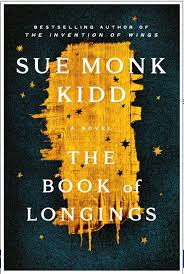
Sue Monk Kidd, The Book of Longings – This is the story of the life of Jesus’ wife, and it is SO GOOD. Historical, mystical, feminist and full of generative questions. You might like it if you, like me, are fond of Jesus but you might like it even more if you’re not.

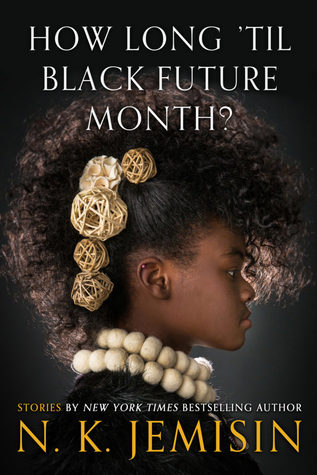
N.K. Jemisin, How Long ’til Black Future Month? – I love N.K. Jemisin’s science fiction with the fire of a thousand suns or the groaning of a million fault lines, which is saying something since I am NOT a sci-fi gal. This collection of short stories gave glimpses into the ways she builds worlds – some were familiar from her trilogies, others were totally stand-alone and all the more fascinating for it.

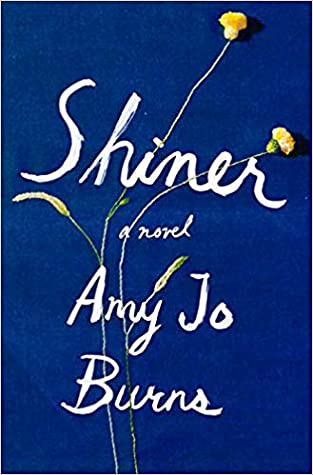
Amy Jo Burns, Shiner – My grandma saw this on my Instagram and asked to read it. I warned her that the people in it were sometimes cruel and sometimes crass but not really…on purpose… “They just didn’t know any better, right?” Exactly. Yes, the title is a reference to moonshine, and the book is rare, raw and reads like a Kentucky holler feels.

mysteries, romance, all other “less” than “literary” fiction

Julia Spencer-Fleming, The Clare Fergusson & Russ Van Alstyne Mystery Series – this series has 9 books, so far, and I devoured six of them over the last couple of months. Clare Fergusson is a young Episcopal priest serving a parish in a small mountain town, helping to solve various and sundry murders on the side. She also falls inescapably in love with the – married – chief of police. I have become a reader of mysteries in my nearing-middle-age (something about the predictability of problems being SOLVED and FINISHED is appealing…wonder why?!), and this series is *almost* as good as Louise Penny’s Inspector Gamache.

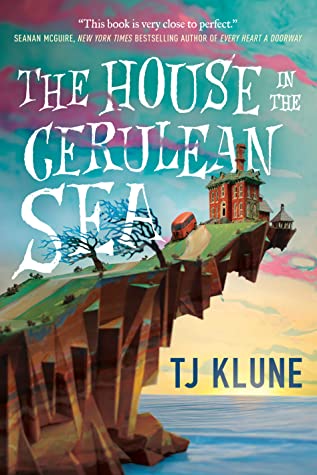
TJ Klune, The House in the Cerulean Sea – HOLY COW, I loved this ridiculous book. A neglected home for wayward magical children, a dutiful paper-pushing office clerk, skeptical humans, gruff guardians & a tiny little boy satan form the stuff of a story that made me laugh and cry in equal measure.

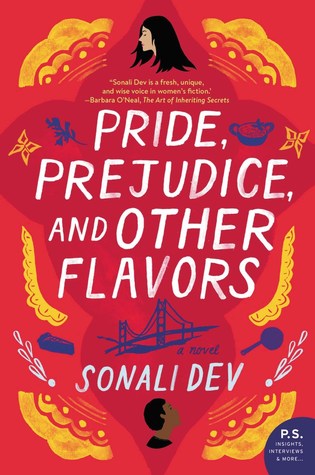
Sonali Dev, Pride, Prejudice & Other Flavors – My friend Carynne convinced me to read romances a year or so ago, and despite my internal scoffing and skepticism I sort of love them. Like mysteries, you know how things will end: well. Who doesn’t need a dose of sure and certain happy endings, these days? Sonali Dev writes bollywood romances based on Jane Austen and they are a *delight.* This one has a companion, called “Recipe for Persuasion,” and they both feature successful professional women finding unexpected love.

nonfiction of all sorts

Kiese Laymon, Heavy – I listened to Laymon’s book “How to Slowly Kill Yourself and Others in America” a couple of years ago on a long road trip and it blew my mind. Last winter, I heard him speak at UNC with Tressie McMillan Cottom (who you should probably go follow on Twitter right now) and I felt like a little kid who managed to sneak into the adults-only salon. Heavy is intense, violent, deeply vulnerable and made me want to sit down and write, which is to say that it moved me in ways few things have.

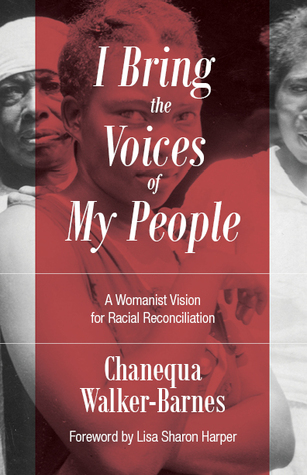
Chanequa Walker-Barnes, I Bring the Voices of My People – I’m making a concerted effort to read history, theology & social commentary, particularly to fill in the gaps of my very white middle-class American education and to unlearn some fundamental falsehoods that those years of formal education instilled in me. This “womanist vision for racial reconciliation” is a theological primer in what I now know that I don’t know. Filling in 2021’s reading list with this book’s cited works.

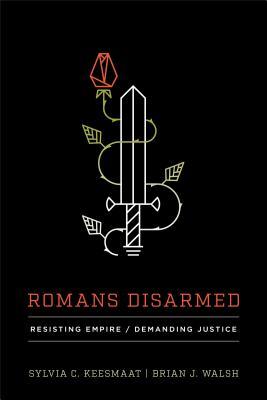
Sylvia C. Keesmaat & Brian J. Walsh, Romans Disarmed – Good lord, I wish every biblical commentary read like this one. So deeply researched and so immediately relevant, this book made Romans make more sense than anything I’ve ever read, including Romans itself. Keesmaat & Walsh unfold their commentary on a structure of story – characters from the Roman world AND their own Canadian congregation – and deftly connect the dots across the centuries. I’d read another commentary like this for the sheer pleasure of it, even if I weren’t a preacher.

Robert P. Jones, White Too Long – I spent the first third of this book regretting my choice to buy and read it. I’m trying to fill my limited reading hours with words by people other than straight white men, *especially* when it comes to perspectives on Christianity and the church. And, indeed, the first third of this book was rehashing what I’d already read from Black theologians and historians (and they wrote about it better!). But the rest of the book is FIRE: personal confession, earnest repentance, data-based analysis and a conclusion that I’m convinced every white person in charge of any corner of the American church must read and take to heart.

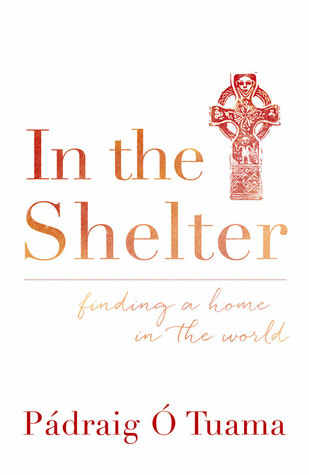
Padraig O Tuama, In the Shelter: Finding a Home in the World – Holy. Just holy. This one came to me thanks to recommendations from three separate people, and it was one of those times when the right book arrives at just the right time. I love when poets write essays, and that’s just what this is, full of imagery and graciousness. The author is a battle-weary peacemaker, and he writes dialogue and interaction with a depth of consideration that thrilled me. Plus, O Tuama is Irish and I had heard him lecturing before reading so I heard every sentence in his brogue. You can listen to him read & think about poetry twice a week on his podcast, “Poetry Unbound.”

also worth your time

Mira Jacob, Good Talk

Yaa Gyasi, Transcendent Kingdom

Silvia Moreno-Garcia, Mexican Gothic

Sonya Renee Taylor, The Body is Not an Apology

Kirk Byron Jones, Rest in the Storm

Kiley Reid, Such a Fun Age

Lori Gottlieb, Maybe You Should Talk to Someone

contact tracing

Luke 2:2: This was the first registration and was taken while Quirinius was governor of Syria.

I know some version of this sermon gets preached every year, but it seems especially appropriate in 2020.

The first Christmas was not filled with parties and pastries and nostalgia. There were no pageants, no candlelight services, no boiled custard* and no coconut cake. Mary and Joseph didn’t even get one of my Aunt Susan’s sausage balls to celebrate the birth of their god-child.

I know you’ve heard this sermon ad nauseam, that the first Christmas was spare and sparse and simple. I know you’ve heard it preached to mean that you don’t need to wear yourself out buying gifts and performing tradition. I know you’ve heard this sermon meant to encourage you to appreciate the spiritual implications of the holiday instead of the commercialization.

I know. It’s an old trope.

And still, it bears repeating: the first Christmas wasn’t even Christmas. It wasn’t a tradition or a federal holiday or a family tradition. The first Christmas wasn’t spare and simple because God wanted us to resist the excesses of capitalism (though I believe God to be totally in favor of that) or because God wanted to give us a reason to dress tiny kids up as middle eastern sheep herders (though, again, I do think God giggles at that every year) or because God believes in the sanctity of the nuclear family and wanted a reason to force everyone to return to their family of origin once a year (definitely, decidedly, wholeheartedly KNOW that God doesn’t endorse this one – just read Jesus or Paul on the subject).

The first Christmas was not tame or traditional or comforting: it was terrifying. It irrevocably changed the experience of being human. The first Christmas involved registration mandated by a tyrant, arduous travel to fulfill governmental demands, hard and unrelenting poverty, confusing angel appearances, displaced people, stinging situations of social shame, foreign leaders working undercover to evade a murderous leader, and an orchestrated slaughter of children.

Christmas is not meant to be calm, comforting or familiar. It is not meant to be an occasion for us small humans to assert our power and control over our tiny lives by doing the same things year in and year out. Christmas is not a safety blanket or a cocoon or an anesthetic to lull us into believing everything is just fine.

I wish it was. But it is not.

Christmas is our marking God’s decision to enter into the world She created in the form of a human person. Christmas is when we remember that God loves us so much, desires so deeply for us to know that love, wants to be WITH us, that God took on human flesh in order to make it so.

Christmas is when we celebrate that God is here. That there is no part of being human that God doesn’t understand, hasn’t experienced. God KNOWS. God KNOWS what it is like to live in chaos, in violence, in uncertainty, in chaos. God KNOWS. God showed up here on earth in human form in the midst of all of it.

God is here. God loves us so much that God chose to join us, to experience what life is like in these scratchy & sensuous, constricting & conscious, fragile & finite bodies. And that doesn’t change, whether we are in the midst of a tyrannical census or a grinding depression or an unending pandemic.

I don’t know what happens, next. Things could get better; they might get worse. Given the witness of scripture, I’m inclined to believe that – at least for those of us who have long squandered our abundance and oppressed the poor and selfishly hoarded everything from toilet paper to healthcare – God’s justice is not going to feel very *pleasant.*

I don’t know if our lives will ever return to what they were, or if they should. I don’t know if we will get to celebrate Christmas in whatever tradition we’ve been formed next year or not. If one virus mutation could take advantage of our particular human cruelties in this way – disrupt and disturb and destroy so much – then who is to say that any of our habits or practices or expectations are safe from being demolished?

What I do know is that even in our cruelty, even in our human-created chaos, even in the worst possible situations, the most stubborn sinfulness, the horrors of horrors that we humans have managed to manufacture: God has not abandoned us. God has not given up on us. God still – even here, even now – desires to be with us. God still – even here, even now – desires goodness for us. And despite the ways we think and act and plan, God’s goodness is better than anything we can ask or imagine.

And I believe that God is using this time, in particular, to reveal to us again what divine goodness consists of: mutuality, care, justice and mercy. A world where, yes, in fact, the rich get poorer and the poor ARE more comfortable.

God is here. With us.

Sometimes, that’s comforting. Other times, it’s terrifying. A lot depends on your particular social location and whether or not you need to be lifted up or removed from your self-imposed throne, filled with good things or sent away, empty.

Do not be afraid: this is good news of great joy for all people.

*boiled custard, for my non-southern friends, is the far superior egg-based holiday beverage.